


Description

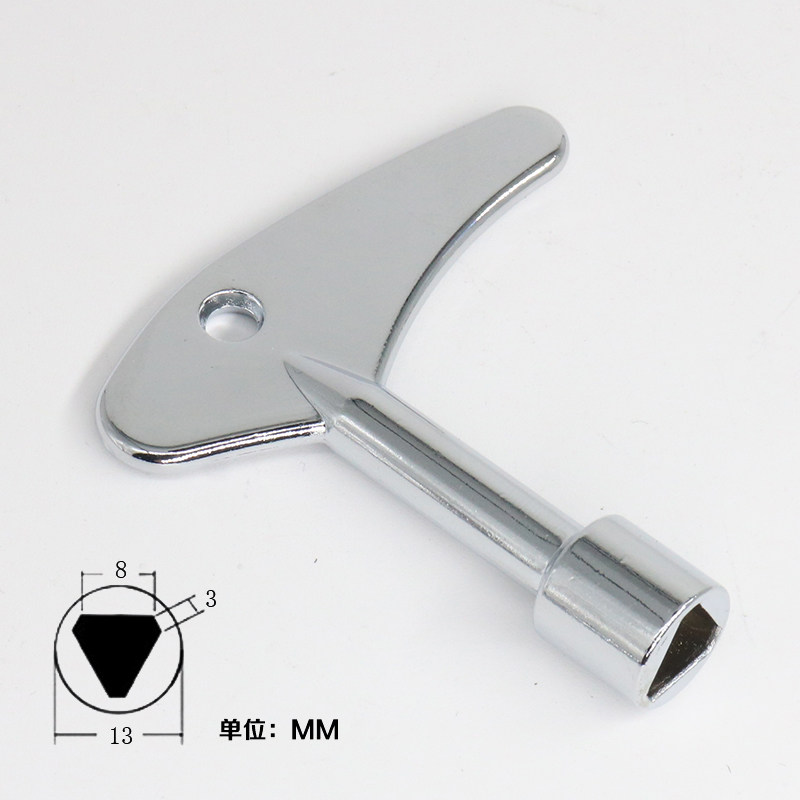
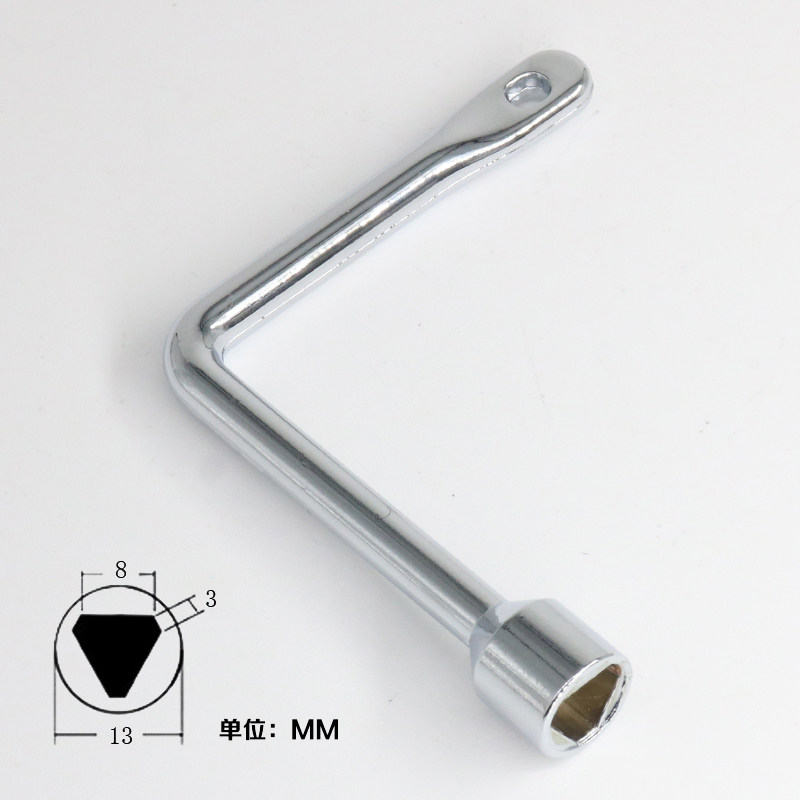
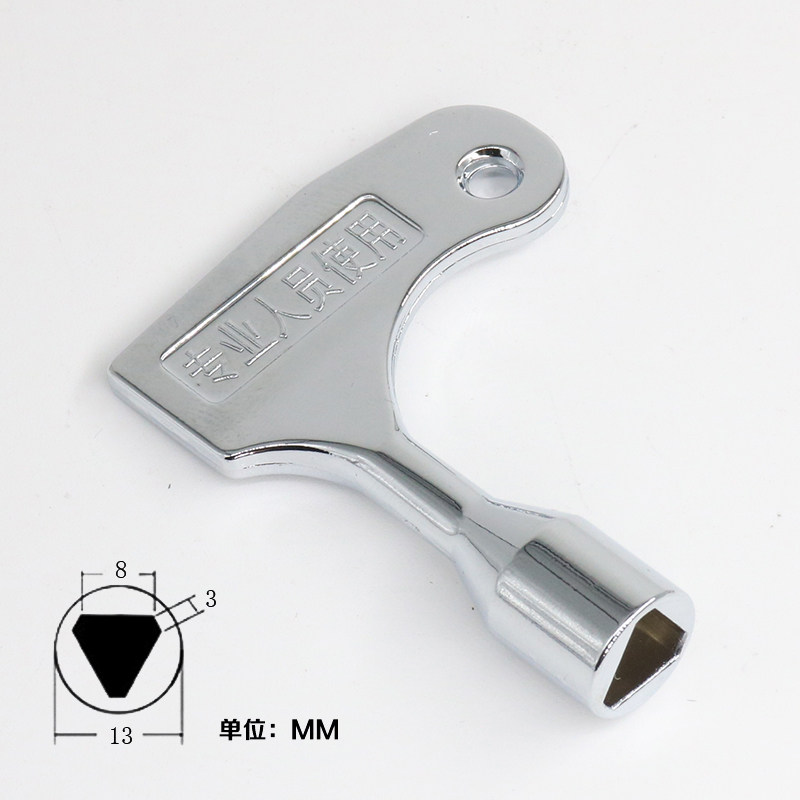
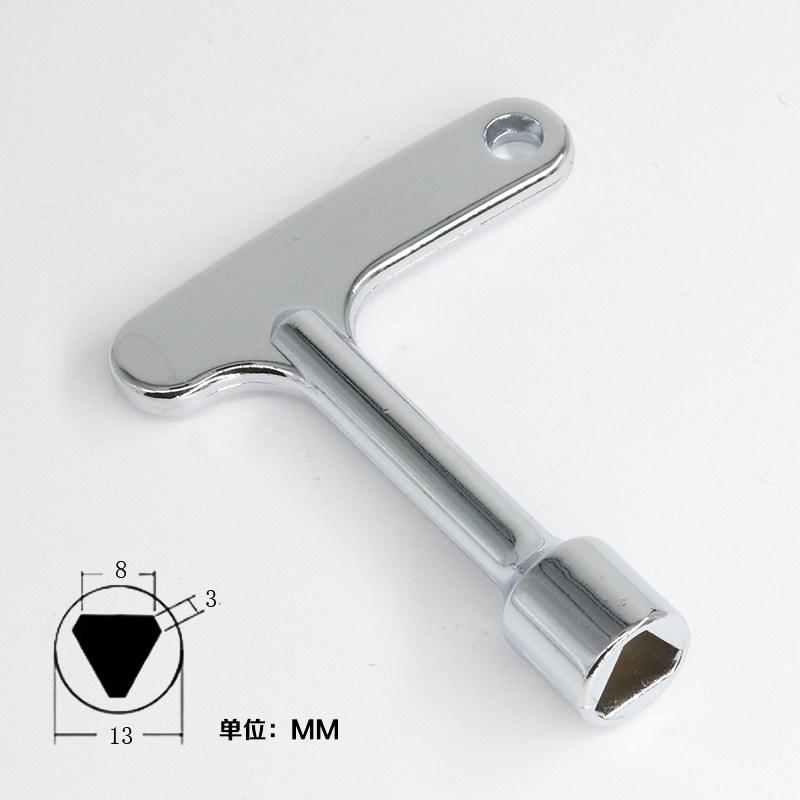
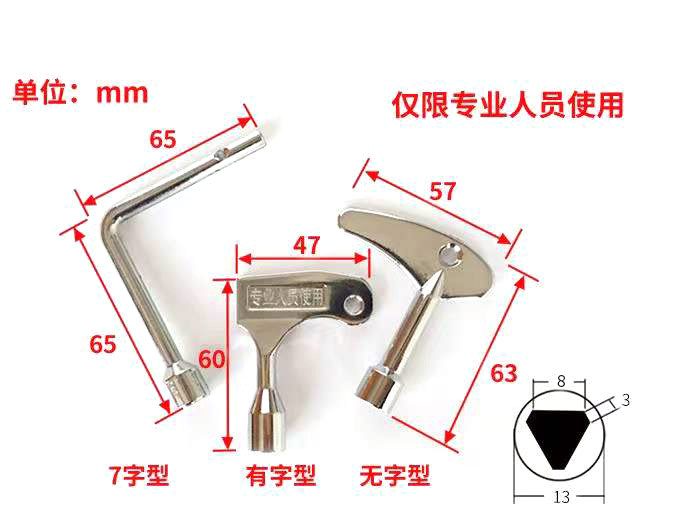

Table of Contents
Jiangyin One Elevator keeps key in the aftermarket range we ship to maintenance contractors and distributors in more than 60 countries. This listing covers the universal elevator key as a complete supply line: the assembly itself, the wear items that sit around it, and the documentation you need to confirm the fit before you pay. Every key we dispatch is pulled from a decommissioned installation or taken from current production, then checked against the failure modes that actually occur in service.
key — Stock, Fitment and Lead Time
Supply is organised around the way maintenance contractors actually buy. You can take a single key as a like-for-like replacement, or take it as part of a wider order that consolidates freight. Condition grading is explicit, so a tested pull and a new-build unit are never quoted as the same thing.
Condition grading is what separates a useful aftermarket supplier from a warehouse full of boxes. A tested pull from a decommissioned installation can be an entirely sound service part, but only if it has been checked against the failure modes that actually occur.
Matching key to your installation
Identification is the step that decides whether a key fits first time. The reliable route is the controller catalogue number or the code stamped on the original assembly, backed up by a photograph of the mounting face. Dimensions alone are rarely enough, because the same outline is often used across two generations with different electrical characteristics.
Where the root cause is the same assembly sold under different codes in different markets, in our experience compatibility questions are answered before the order rather than after the return.
Where key is normally fitted
In service, a key is most often replaced during modernisation, after a breakdown, or as part of a planned refurbishment where several wear items are done at the same visit. Contractors who plan the visit tend to order the surrounding consumables with it, because the labour is already on site.
Documentation travels with the part when it is done properly. A datasheet, a fitting note or simply a record of what the component was tested against removes a great deal of uncertainty for the engineer on site, particularly when the installation predates the current maintenance contractor.
Service notes before you replace key
Take a photograph of the part and its label before anything is disconnected; it settles more identification questions than any datasheet. Take a photograph of the part and its label before anything is disconnected; it settles more identification questions than any datasheet.
The underlying cause is usually lead times that are longer than the interval between service visits, which is why the equipment model, the controller family and the exact reference printed on the failed component identify the replacement.
Ordering and shipping
To order key, send the part code, a photograph and the machine type. Quotations come back with the condition grade, the lead time and the freight options, and consolidated orders can be packed into one shipment to cut the per-unit cost.
Related stock held alongside this line: Elevator spare parts, Escalator, Door Operator Controller. These are the families most contractors order together, and they can be quoted as one consolidated shipment.
Consolidating orders matters more than it appears. Freight costs and customs handling are largely fixed per shipment, so combining several wear items into one consignment is usually cheaper than ordering them separately as each one fails.
key: frequently asked questions
How quickly can you ship?
Stocked key normally leaves within the same week. If the unit has to be pulled from a specific installation, we tell you the handling time up front rather than after payment.
Can you supply an alternative if the original code is obsolete?
Yes. Cross-matching by interface and rating is the normal way to handle a superseded code, and the alternative is quoted with the mapping explained so your technician can verify it before fitting.
The parts that are hardest to find are usually the ones that fail most often, which is why orders are consolidated where possible, because freight and customs handling are largely fixed per shipment.
For the standards and manufacturer references that govern this component, see CEN/CENELEC — EN 81 lift and escalator series and Elevator World — industry trade journal. Confirming the rating against the published specification is the safest way to close out an identification question.
Emergency release access: profiles, torque and control of the loose tool
Every machine room, controller cabinet and landing access panel needs controlled access, and the loose tool that opens them is the item most likely to go missing, be copied, or be used on the wrong cylinder. Managing that access properly is a small discipline with an outsized effect on both security and call-out time, because the engineer who cannot open a shaft landing panel is an engineer standing still in a lobby.
Profile families and how to specify one
Access tools fall into a handful of profile families: the triangular type common on older European installations, the square and the double-bit patterns found on many Asian machines, and the Euro-profile cylinder used on newer cabinets. Within a family the sizes are not interchangeable. A triangle of the wrong side length will turn partially and then round off the corners of the lock, which converts a two-minute job into a cylinder replacement.
Specify by measurement rather than by photograph where possible. The side length across the flats, the shaft diameter and the overall length are the three numbers that decide whether the tool engages properly, and all three are quick to record. Material matters as well: a soft casting will deform at the corners long before a forged or machined tool will.
Controlling copies and keeping spares
An access tool that can be duplicated freely is not really a control at all. Where a building has several contractors, agree which profile the site uses, hold a record of who holds each tool, and check the cylinders annually for signs that they have been turned by something that was not the correct profile. Rounded corners and polished flats are the tell-tale marks.
Spares policy is simple: two per site, one in the engineer’s van and one in the cabinet it opens. Sources for the profiles and cylinders in current production include Dewhurst, and the security expectations for machine spaces are covered in the codes published by NAESA International. Where the tool is being ordered together with the other service items for an installation, consolidating against the wider elevator spare parts range avoids a separate minimum-order charge for a very small item.
Recording what the site actually uses
Most access problems are documentation problems rather than hardware problems. A building that has changed maintenance contractor three times usually has three different profiles in circulation and no record of which one the lock was originally supplied with. The result is rounded corners, damaged cylinders and engineers improvising with whatever fits.
The remedy costs nothing. When a site is taken over, catalogue the access points, record the profile measured at each one, and photograph the cylinder face beside a ruler. That single page turns a recurring nuisance into a one-minute job for everyone who comes after, and it makes the annual security check something that can actually be completed rather than argued about.
Wear on the access points themselves is worth watching. A cylinder that has been turned by the wrong profile many times will eventually accept a worn tool that it should reject, which is a security failure that nobody notices until it is exploited. Replacing a cylinder is inexpensive; replacing it after an incident is a different conversation entirely.

0.0 Average Rating Rated (0)