


Description
Classification: Chinese type (complete set of light curtain) English type (complete set of light curtain)

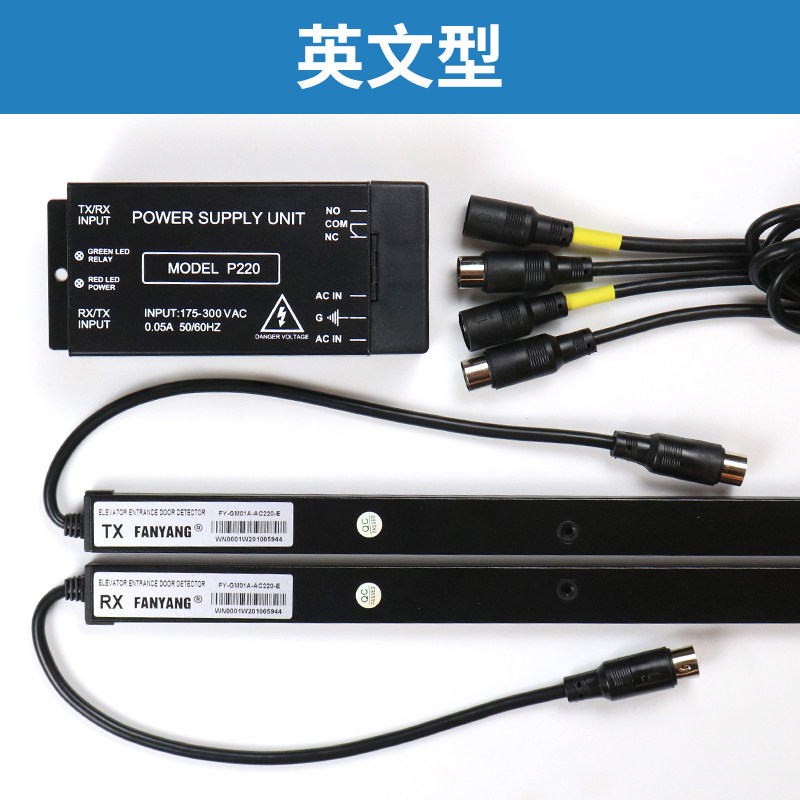
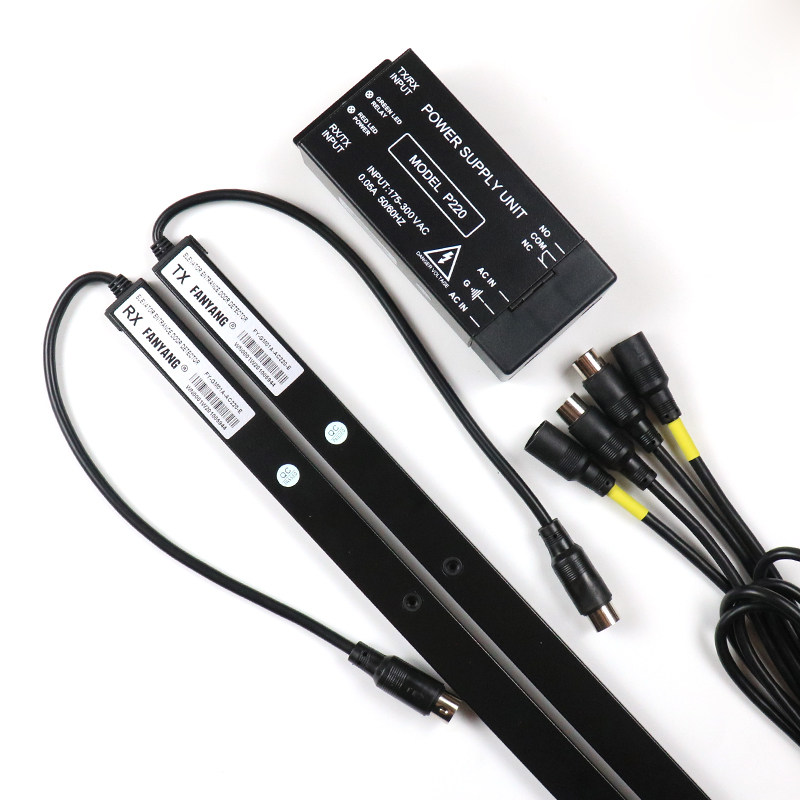
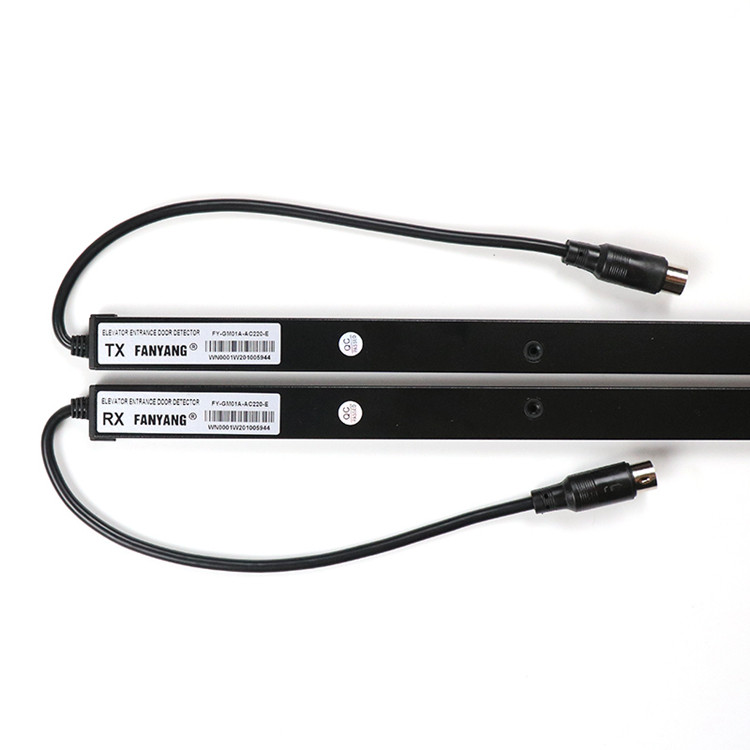
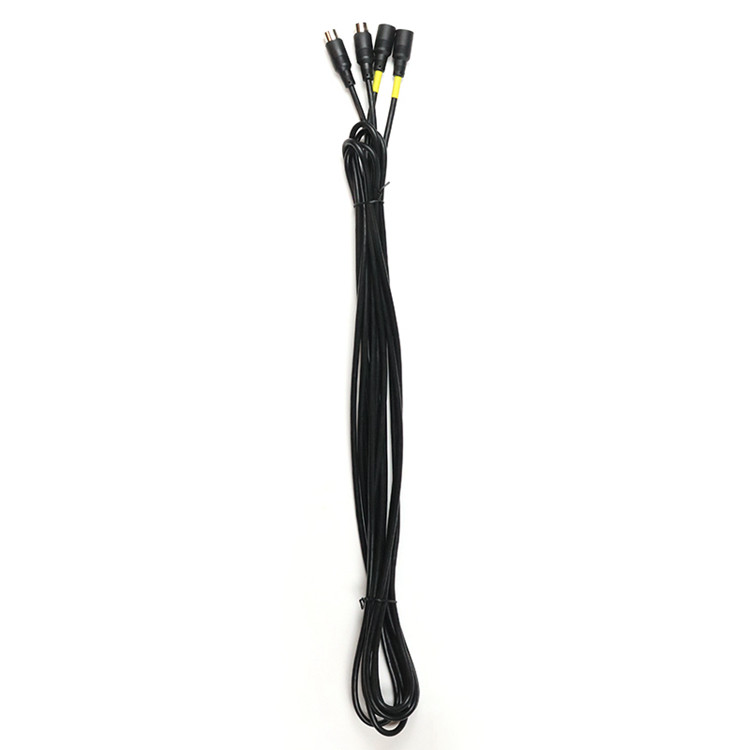
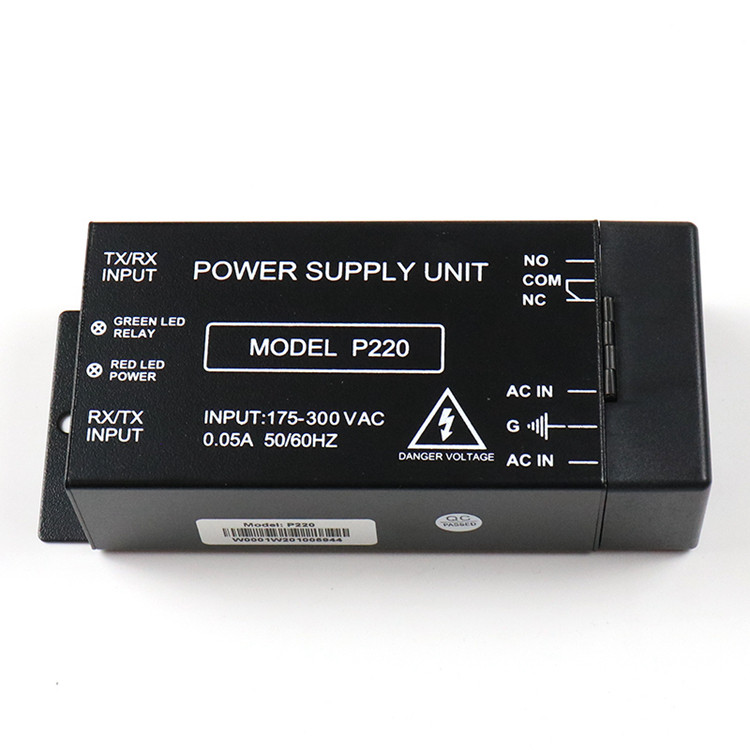
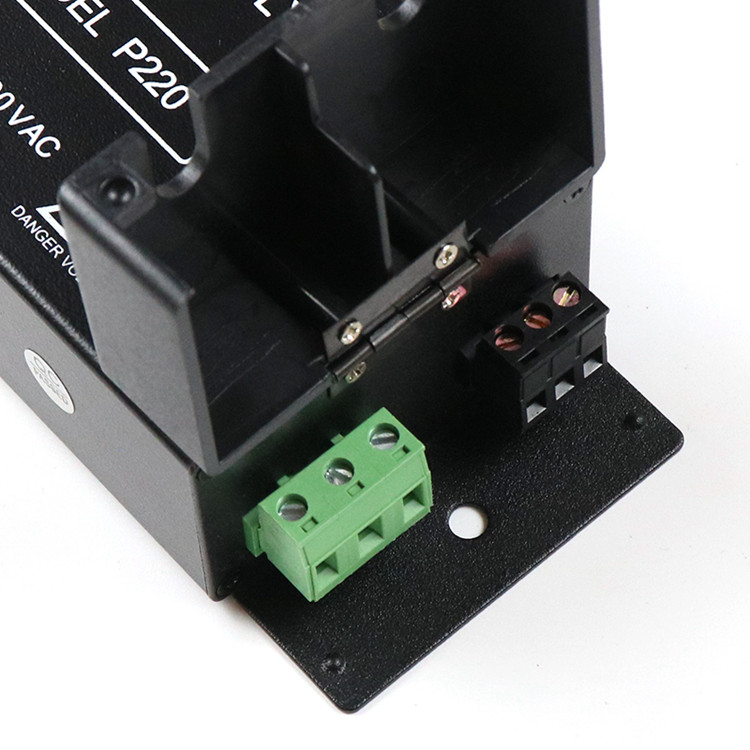
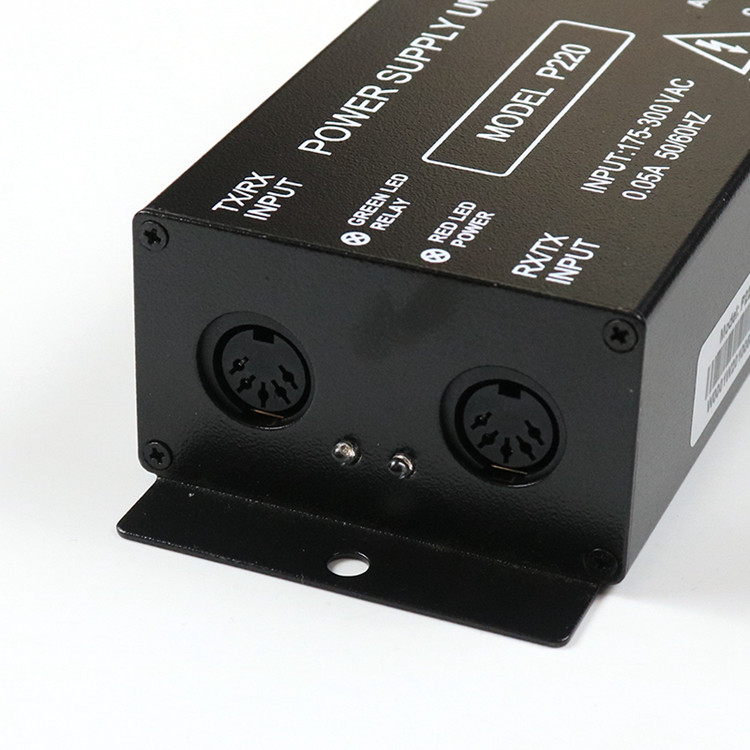
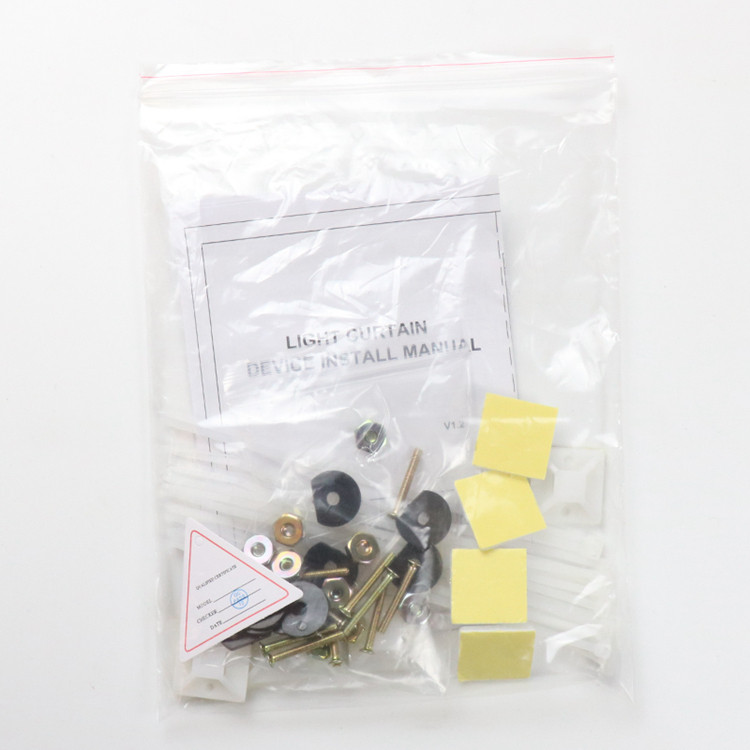
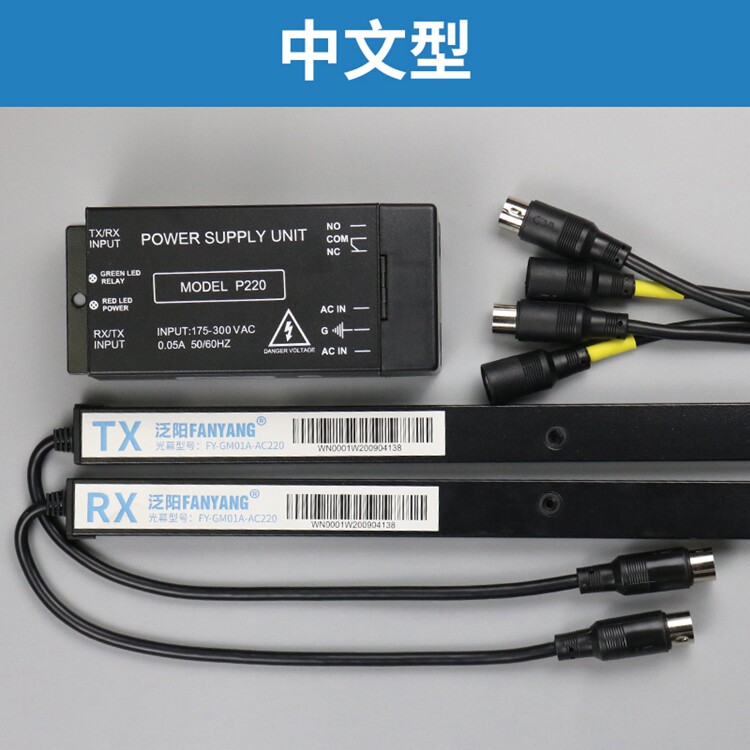
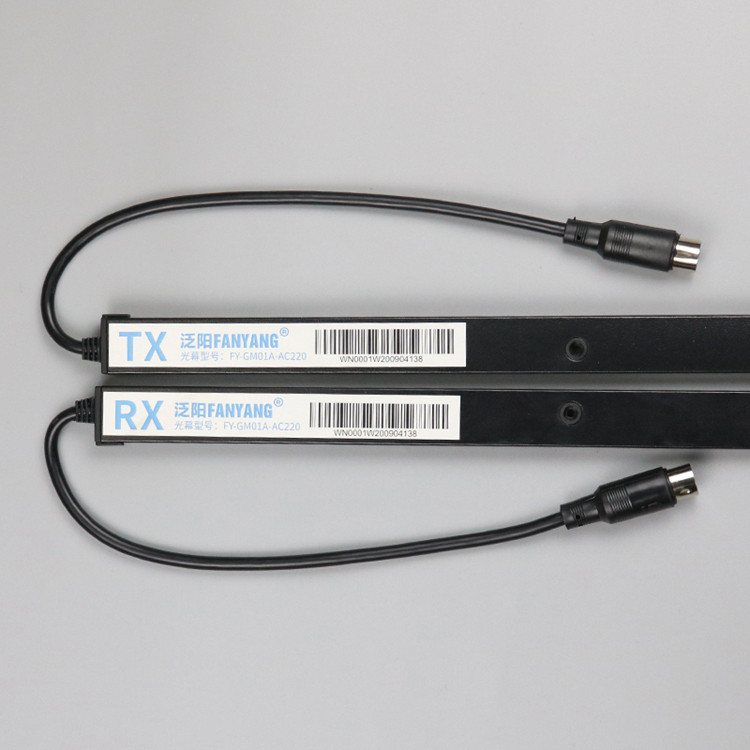
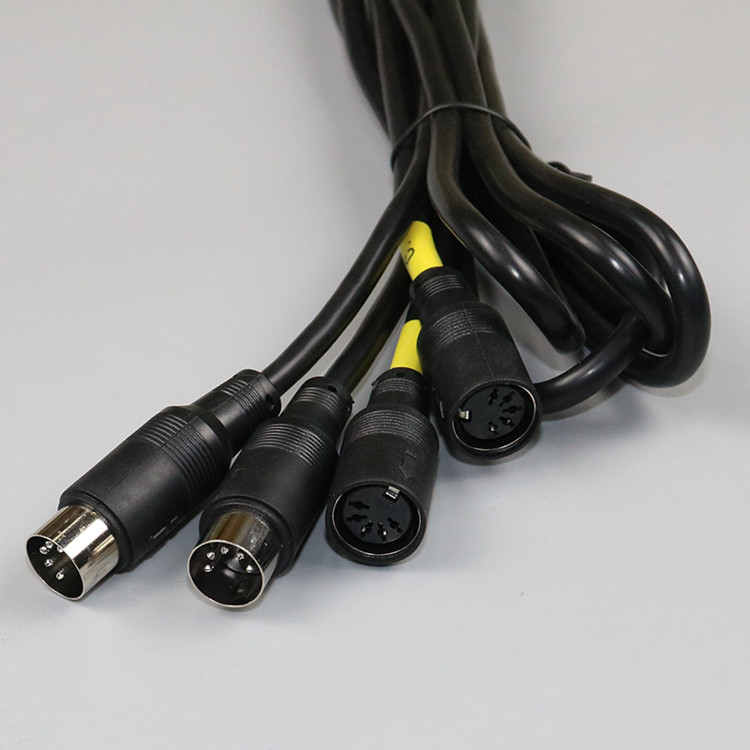
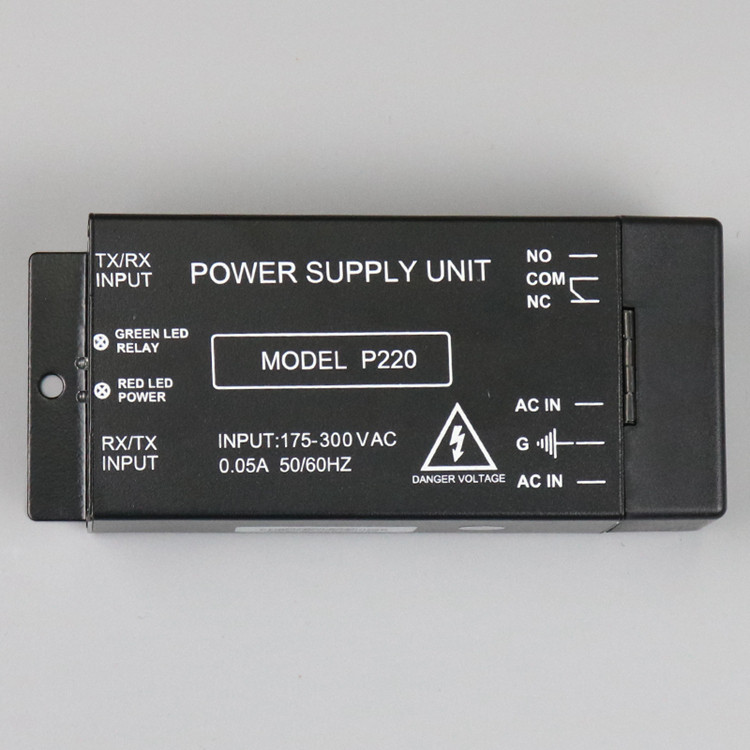
Table of Contents
- light curtain: What We Supply and How It Ships
- How to identify the right light curtain
- Where light curtain is normally fitted
- What to check before ordering
- Ordering and shipping
- light curtain: frequently asked questions
- How quickly can you ship?
- Can you supply an alternative if the original code is obsolete?
Jiangyin One Elevator keeps the infrared detection array in the aftermarket range we ship to maintenance contractors and distributors in more than 60 countries. This listing covers the Replacement Infrared Elevator the infrared detection array as a complete supply line: the assembly itself, the wear items that sit around it, and the documentation you need to confirm the fit before you pay. Every the infrared detection array we dispatch is pulled from a decommissioned installation or taken from current production, then checked against the failure modes that actually occur in service.
the infrared detection array: What We Supply and How It Ships
Supply is organised around the way maintenance contractors actually buy. You can take a single the infrared detection array as a like-for-like replacement, or take it as part of a wider order that consolidates freight. Condition grading is explicit, so a tested pull and a new-build unit are never quoted as the same thing.
Condition grading is what separates a useful aftermarket supplier from a warehouse full of boxes. A tested pull from a decommissioned installation can be an entirely sound service part, but only if it has been checked against the failure modes that actually occur.
How to identify the right the infrared detection array
Identification is the step that decides whether a the infrared detection array fits first time. The reliable route is the controller catalogue number or the code stamped on the original assembly, backed up by a photograph of the mounting face. Dimensions alone are rarely enough, because the same outline is often used across two generations with different electrical characteristics.
Where the root cause is the same assembly sold under different codes in different markets, in our experience compatibility questions are answered before the order rather than after the return.
Where the infrared detection array is normally fitted
In service, a the infrared detection array is most often replaced during modernisation, after a breakdown, or as part of a planned refurbishment where several wear items are done at the same visit. Contractors who plan the visit tend to order the surrounding consumables with it, because the labour is already on site.
Documentation travels with the part when it is done properly. A datasheet, a fitting note or simply a record of what the component was tested against removes a great deal of uncertainty for the engineer on site, particularly when the installation predates the current maintenance contractor.
What to check before ordering
Where the fixings, springs or rollers around the assembly are worn, replace them in the same visit; the labour is already paid for. Take a photograph of the part and its label before anything is disconnected; it settles more identification questions than any datasheet.
The underlying cause is usually lead times that are longer than the interval between service visits, which is why the equipment model, the controller family and the exact reference printed on the failed component identify the replacement.
Ordering and shipping
To order the infrared detection array, send the part code, a photograph and the machine type. Quotations come back with the condition grade, the lead time and the freight options, and consolidated orders can be packed into one shipment to cut the per-unit cost.
Related stock held alongside this line: Door operator controllers, Door Vane, Elevator Door Guide Shoe. These are the families most contractors order together, and they can be quoted as one consolidated shipment.
Consolidating orders matters more than it appears. Freight costs and customs handling are largely fixed per shipment, so combining several wear items into one consignment is usually cheaper than ordering them separately as each one fails.
the infrared detection array: frequently asked questions
How quickly can you ship?
Stocked the infrared detection array normally leaves within the same week. If the unit has to be pulled from a specific installation, we tell you the handling time up front rather than after payment.
Can you supply an alternative if the original code is obsolete?
Yes. Cross-matching by interface and rating is the normal way to handle a superseded code, and the alternative is quoted with the mapping explained so your technician can verify it before fitting.
The parts that are hardest to find are usually the ones that fail most often, which is why orders are consolidated where possible, because freight and customs handling are largely fixed per shipment.
For the standards and manufacturer references that govern this component, see Elevator — mechanical overview and terminology and interlift — world trade fair for elevator technology. Confirming the rating against the published specification is the safest way to close out an identification question.
Alignment, contamination and false trips
Infrared arrays fail in three recognisable ways. They stop detecting altogether, usually after water ingress or a supply fault. They detect continuously and hold the entrance open, most often because a lens has been scratched or a reflector has been knocked out of alignment during cleaning. Or they become intermittent, which is almost always a connection problem at the plug rather than a fault in the optics.
Clean the lenses with a soft, dry cloth. Solvent cleaners cloud the polymer and permanently reduce the transmitted signal. Check alignment with the units powered and the beam indicator visible, and re-set the mounting brackets to a light, even torque, since over-tightening distorts the housing and misaligns the optics. The safety requirements that govern this equipment are set out in the codes published by ASME, and the wider elevator spare parts range covers the harnesses and brackets that are usually renewed with the unit.

0.0 Average Rating Rated (0)