


Description
Elevator Door Slider Bending Plate Floor Lobby Door Slider Door Foot Suitable for Canny Elevator Accessories

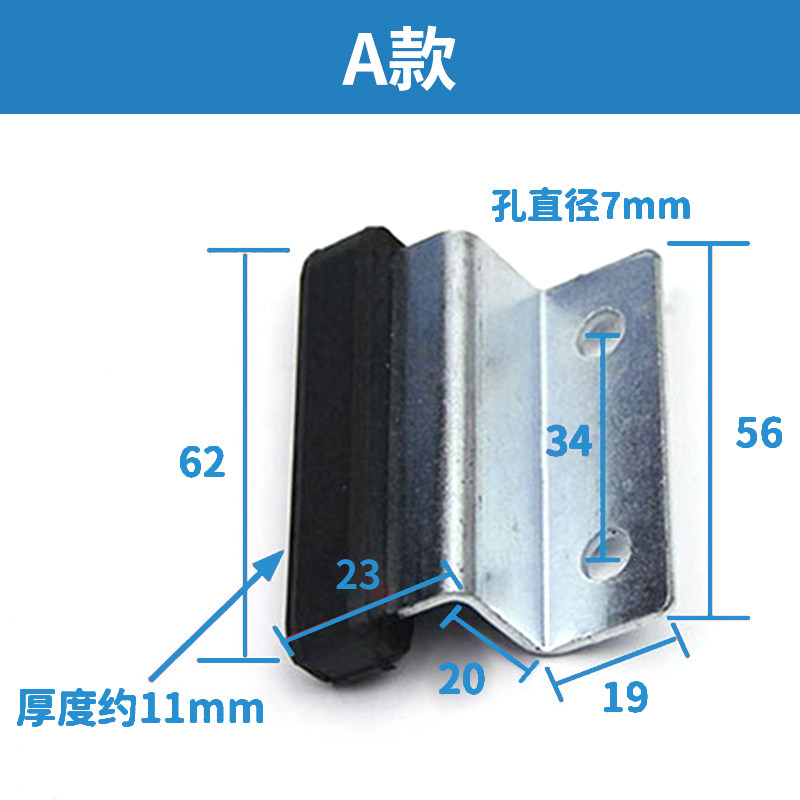
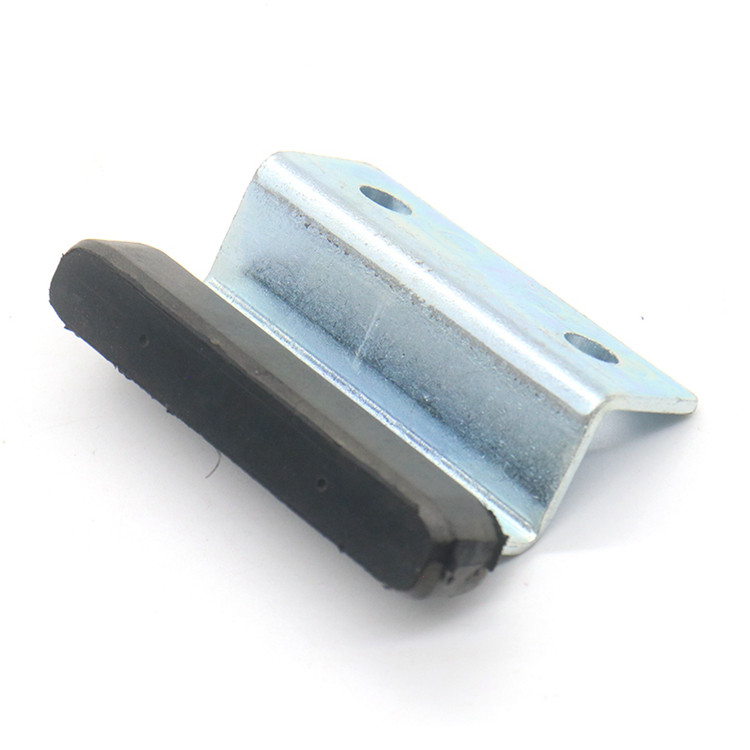
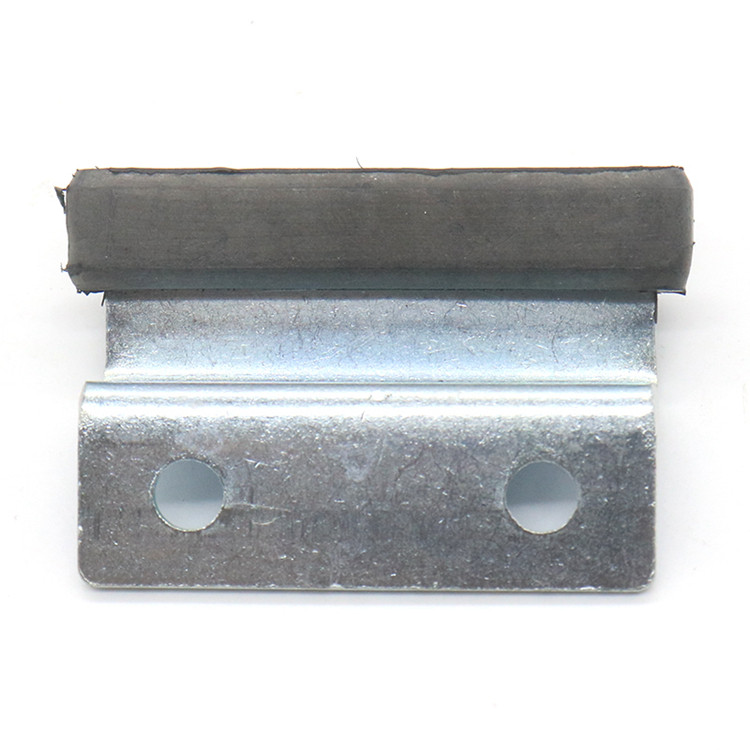
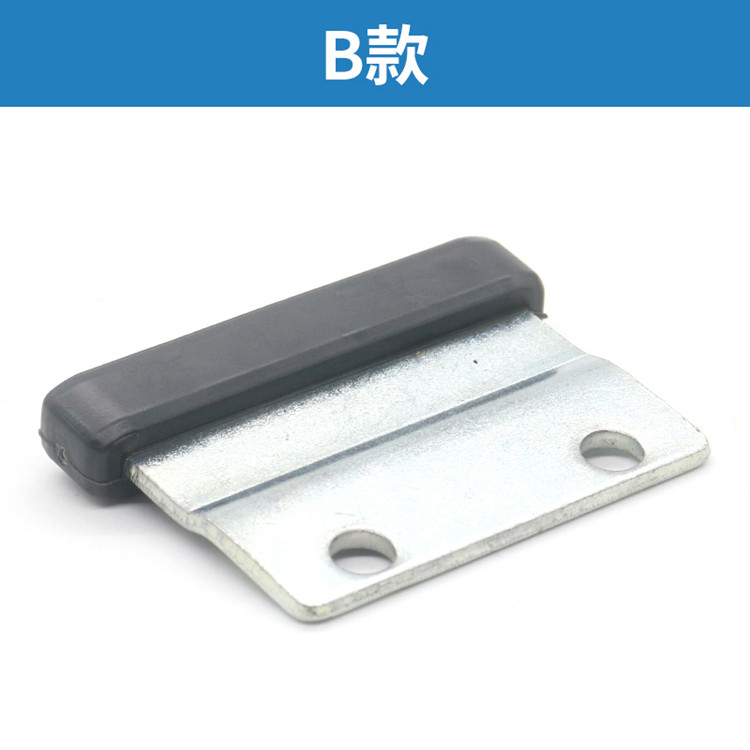
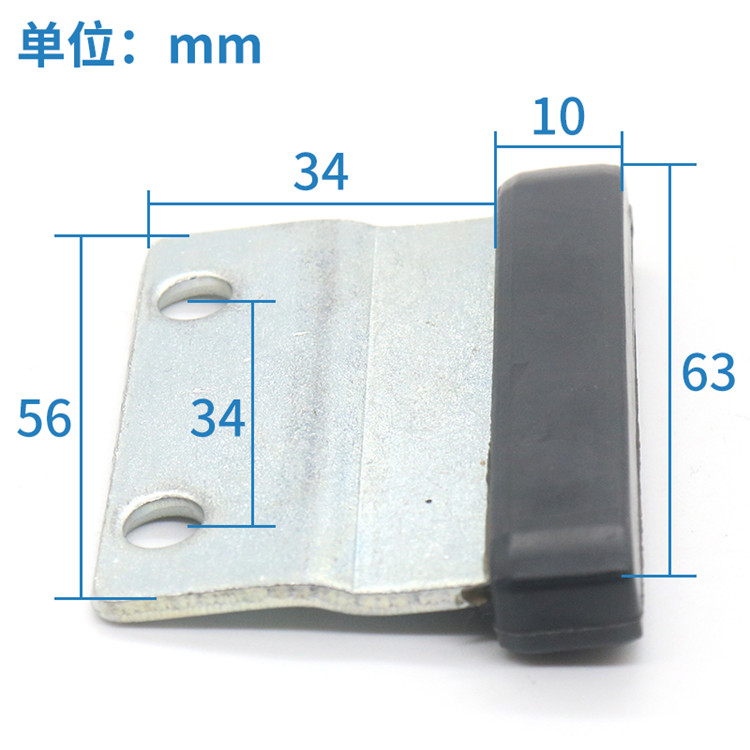
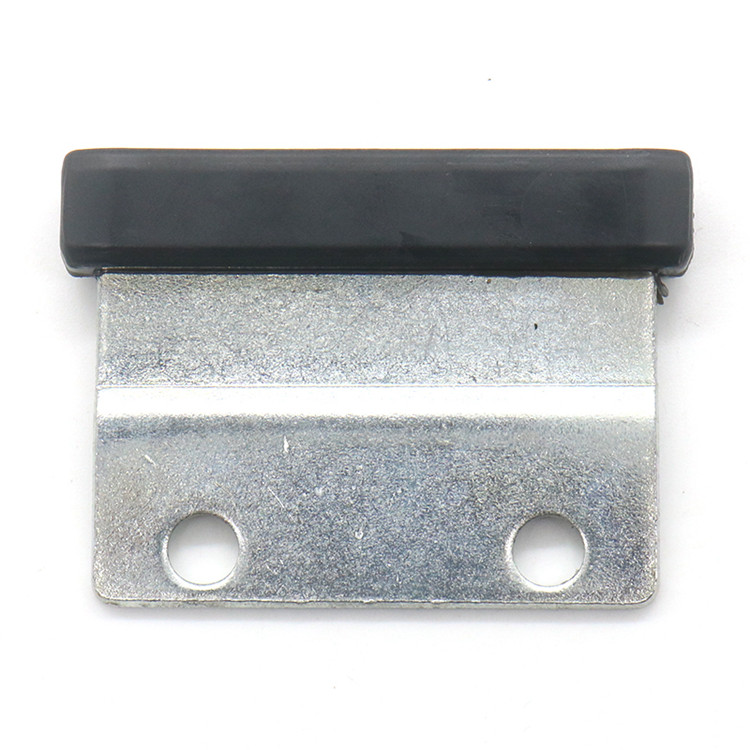
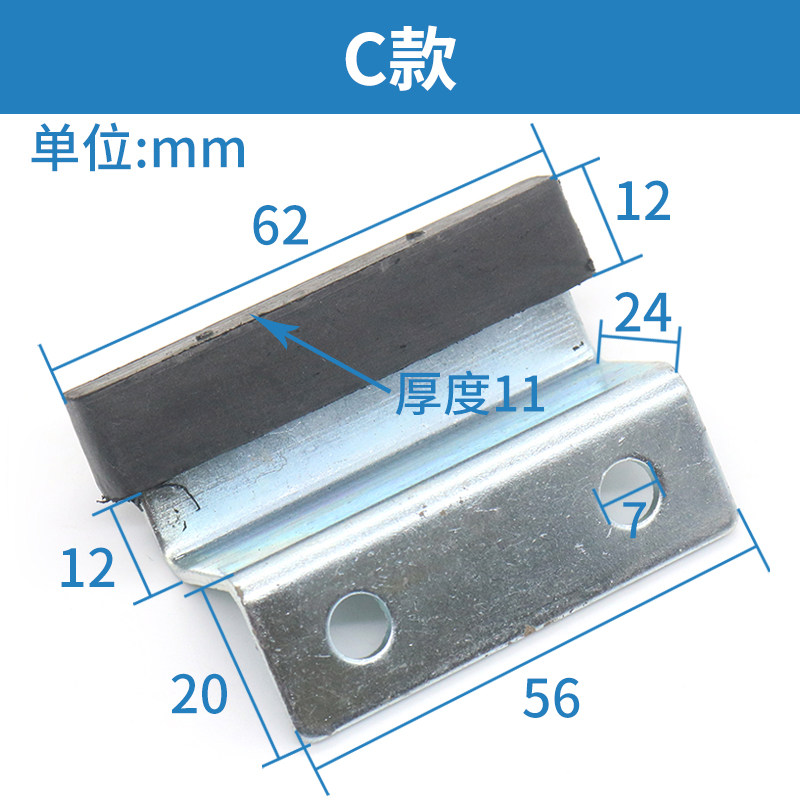
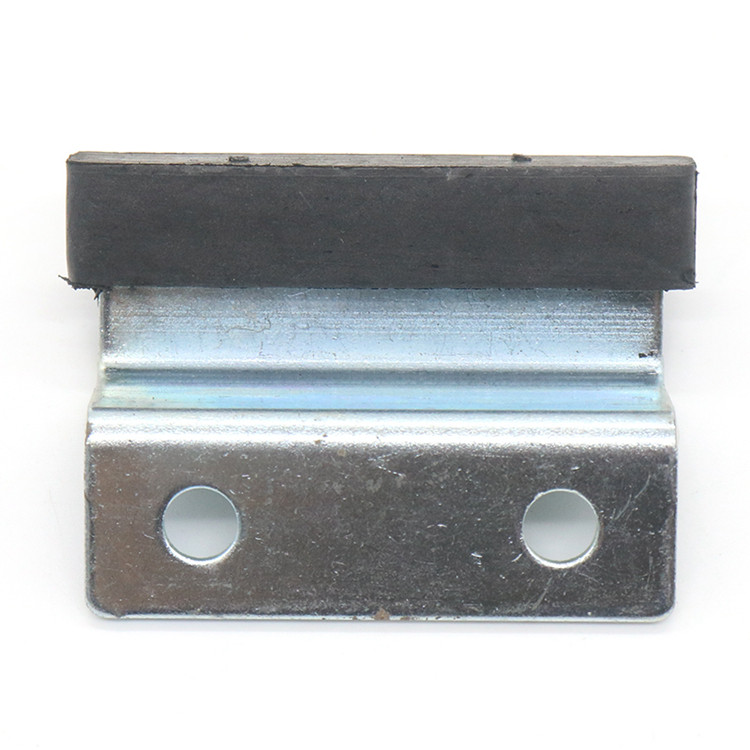
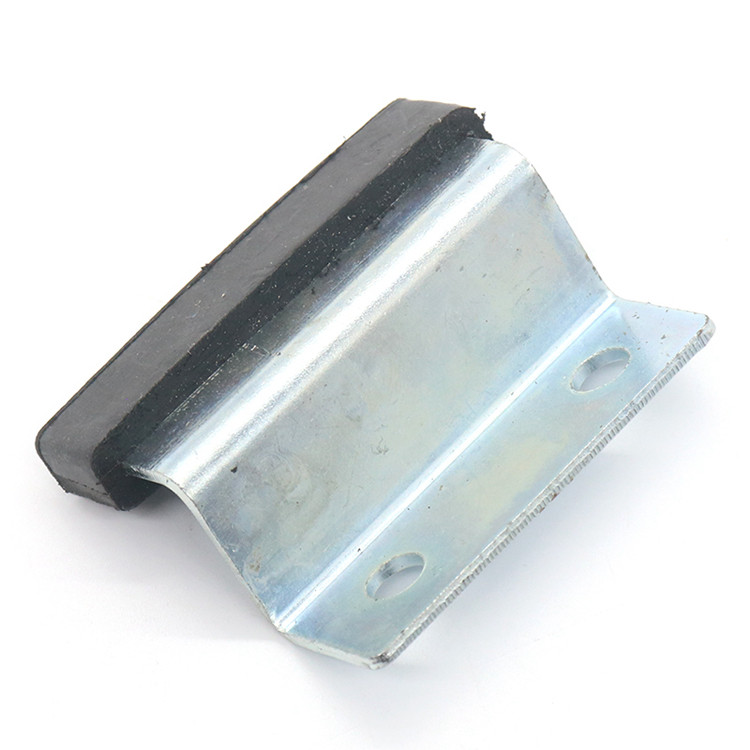
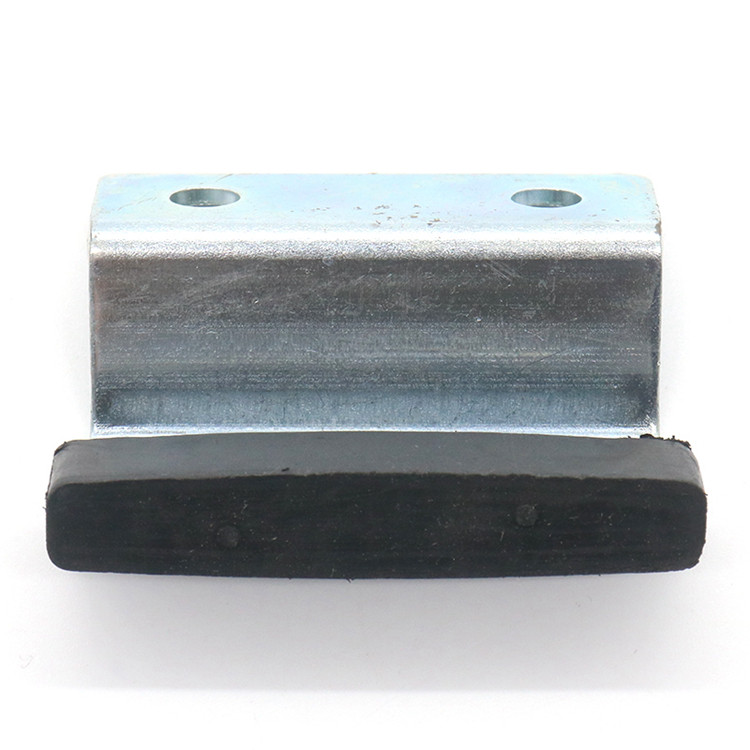

Table of Contents
Jiangyin One Elevator keeps door in the aftermarket range we ship to maintenance contractors and distributors in more than 60 countries. This listing covers the Door Foot Suitable for Canny as a complete supply line: the assembly itself, the wear items that sit around it, and the documentation you need to confirm the fit before you pay. Every door we dispatch is pulled from a decommissioned installation or taken from current production, then checked against the failure modes that actually occur in service.
door — Stock, Fitment and Lead Time
Supply is organised around the way maintenance contractors actually buy. You can take a single door as a like-for-like replacement, or take it as part of a wider order that consolidates freight. Condition grading is explicit, so a tested pull and a new-build unit are never quoted as the same thing.
Condition grading is what separates a useful aftermarket supplier from a warehouse full of boxes. A tested pull from a decommissioned installation can be an entirely sound service part, but only if it has been checked against the failure modes that actually occur.
Fitment and identification for door
Identification is the step that decides whether a door fits first time. The reliable route is the controller catalogue number or the code stamped on the original assembly, backed up by a photograph of the mounting face. Dimensions alone are rarely enough, because the same outline is often used across two generations with different electrical characteristics.
Where the root cause is the same assembly sold under different codes in different markets, in our experience compatibility questions are answered before the order rather than after the return.
Where door is normally fitted
In service, a door is most often replaced during modernisation, after a breakdown, or as part of a planned refurbishment where several wear items are done at the same visit. Contractors who plan the visit tend to order the surrounding consumables with it, because the labour is already on site.
Documentation travels with the part when it is done properly. A datasheet, a fitting note or simply a record of what the component was tested against removes a great deal of uncertainty for the engineer on site, particularly when the installation predates the current maintenance contractor.
Service notes before you replace door
Check the mechanical interface — hole centres, thickness and travel — with callipers rather than by eye, since two revisions can share an outline. Check the mechanical interface — hole centres, thickness and travel — with callipers rather than by eye, since two revisions can share an outline.
The underlying cause is usually lead times that are longer than the interval between service visits, which is why the equipment model, the controller family and the exact reference printed on the failed component identify the replacement.
Ordering and shipping
To order door, send the part code, a photograph and the machine type. Quotations come back with the condition grade, the lead time and the freight options, and consolidated orders can be packed into one shipment to cut the per-unit cost.
Related stock held alongside this line: Door operator controllers, Door Vane, Elevator Door Guide Shoe. These are the families most contractors order together, and they can be quoted as one consolidated shipment.
Consolidating orders matters more than it appears. Freight costs and customs handling are largely fixed per shipment, so combining several wear items into one consignment is usually cheaper than ordering them separately as each one fails.
door: frequently asked questions
How quickly can you ship?
Stocked door normally leaves within the same week. If the unit has to be pulled from a specific installation, we tell you the handling time up front rather than after payment.
Can you supply an alternative if the original code is obsolete?
Yes. Cross-matching by interface and rating is the normal way to handle a superseded code, and the alternative is quoted with the mapping explained so your technician can verify it before fitting.
The parts that are hardest to find are usually the ones that fail most often, which is why orders are consolidated where possible, because freight and customs handling are largely fixed per shipment.
For the standards and manufacturer references that govern this component, see Canny Elevator — Chinese OEM and CIBSE Guide D — transportation systems in buildings. Confirming the rating against the published specification is the safest way to close out an identification question.
Sill clearance, guide feet and the geometry of a quiet closing cycle
The small guide component that runs at the bottom of a moving leaf does an unglamorous job with very little tolerance for error. It carries the lateral load, keeps the panel tracking true, and sets the clearance at the sill. When it wears, the symptom is rarely a failure to close; it is noise, a visible shimmy at speed, or a leaf that catches on the floor plate during the last few millimetres of travel.
Wear patterns worth measuring
Measure the sill gap at both ends of travel rather than in the middle. A gap that is correct at the centre and tight at one end points to a track that is out of level rather than to a worn foot. Measure the lateral play by hand with the leaf at rest: anything more than a slight rock indicates that the guide face has worn past its working tolerance.
Look at the floor plate as part of the same system. A plate that has been re-levelled or over-screeded during building works can lift the running surface by several millimetres, which changes the engagement of the guide and produces exactly the same complaint as a worn part. Correct the plate before replacing anything.
Choosing and fitting a replacement
Match the body profile and the fixing centres first, then confirm the material. A glass-filled polymer guide is quiet and self-lubricating but has a finite life against a rough track; a bronze or steel-backed guide lasts longer and transmits more noise into the cabin. The right choice depends on how the building is used, not on which one is cheapest to buy.
When the guide is replaced, clean the track and check it for flat spots. A burr left on the running surface will destroy the replacement in a fraction of the time the original lasted. Guidance on entrance geometry and clearances appears in the material published by system specialists such as Sematic and by the independent testing bodies including Liftinstituut. Where the whole running gear is being renewed, the wider elevator spare parts range covers the surrounding items so that the work can be completed in a single visit.
Noise, vibration and what the passenger actually notices
Ride quality complaints almost always arrive in the same words: it rattles, it shudders, it bangs at the floor. The engineer’s job is to turn those words into a measurement. A rattle that appears only while the leaf is moving is a guide or roller problem. A bang at the end of travel is a stopping-distance or damper problem. A shudder that begins halfway across the opening usually means the track has a step at a joint or that the guide is binding against the sill as the surfaces change contact.
Record the complaint, the machine condition and the measurement in one note. Two readings taken a month apart tell you whether the wear is progressing, which is far more useful than a single snapshot and much more useful than a subjective report. Most premature replacements we are asked to quote for are the result of a worn guide that was never measured, only heard.
Spares planning for multi-car installations
A building with four cars of the same generation does not need four different spare parts. It needs one correct specification, held three or four times over, and a record of the specification so that the next order is a repeat. That is the difference between a planned replacement programme and a series of emergencies.
Consolidate the order while you are at it. The guide, the sill, the hanger and the operator are all in the same access window and all receive the same labour, so buying them together keeps freight, documentation and the customs entry to a single transaction. Items held on the shelf should be stored flat and dry; a polymer guide that has been sitting under a leaking pipe is not a spare, it is a future fault.
Site measurements that make the next order simple
Before the panel is put back, take four readings and write them into the machine data: the clearance at the sill at each end of travel, the lateral play at rest, the fixing centres of the guide body, and the available depth behind the leaf. Those four numbers describe the interface completely enough that a replacement can be selected without another visit, which matters most in buildings where getting access is the expensive part of the job.
Add a photograph of the running surface while the assembly is open. Wear on the track explains most of the complaints that are wrongly attributed to the guide itself, and a dated photograph is the fairest way to decide whether a track needs attention before the next set of parts goes on.

0.0 Average Rating Rated (0)